Blog

  • CE vs FCC Certification for Night Vision Devices: What Distributors Must Know

    For distributors importing civilian night vision and AI green-phosphor imaging devices across Europe, the Middle East, North Africa and North America, two certification marks appear more than any others on product datasheets: CE and FCC. Both are mandatory in their respective regions, both signal safety and electromagnetic compliance, and both can block a shipment at customs if missing. But they are not interchangeable, and understanding the difference is essential before you place an order or pitch to a channel partner.

    What CE Certification Covers

    CE (Conformité Européenne) is the European Economic Area conformity mark. For night vision monoculars and AI imaging devices, the relevant directives are typically the EMC Directive 2014/30/EU (electromagnetic compatibility), the RED Directive 2014/53/EU (radio equipment, if Wi-Fi or Bluetooth is present), and the RoHS Directive 2011/65/EU (restriction of hazardous substances). A Keliway KLW-C4, for example, ships with a full CE technical file including EMC test report, RoHS declaration and a Declaration of Conformity signed by the manufacturer.

    What FCC Certification Covers

    FCC (Federal Communications Commission) is the United States equivalent. Night vision devices with intentional radiators (Wi-Fi, Bluetooth, wireless video) require an FCC ID under Part 15 Subpart C. Devices without radios fall under FCC Part 15 Subpart B (unintentional radiators) and require a Supplier’s Declaration of Conformity (SDoC). Keliway provides the FCC Part 15 test report for each SKU shipped to North American distributors.

    Key Differences at a Glance

    • Scope: CE covers EU/EEA + recognized in MENA; FCC covers US territories.
    • Issuer: CE is a self-declaration backed by a notified body test report; FCC filings are reviewed by FCC-recognized Telecommunication Certification Bodies.
    • Marking: CE mark must be at least 5 mm tall and permanent; FCC mark must include FCC ID or compliance statement.
    • Enforcement: EU customs require CE + EU Declaration; US customs check FCC ID in the public database.

    Why Distributors Should Care

    Missing or fraudulent CE/FCC marks are the top reason seizures happen at Rotterdam, Jebel Ali and Los Angeles ports. Before you commit to an order, ask your supplier for: (1) the EMC test report from an accredited lab, (2) the EU DoC or FCC SDoC signed within the last 12 months, and (3) the RoHS declaration. Keliway distributors can download all five reports — CE, EMC, RoHS, FCC and IP65 — directly from every product page.

    Next Steps

    If you are evaluating Keliway products for your territory, request our full compliance pack via the Contact page or apply for a distributor tier on the Distributors page. All KLW-series devices ship CE + EMC + RoHS + FCC + IP65 certified with a 2-year warranty.
  • Why CE Certification Matters for Night Vision Exports

    Why CE Certification Matters for Night Vision Exports

    When selling night vision devices internationally, CE certification is not just a nice-to-have — it is a legal requirement for any product entering the European market. CE marking demonstrates conformity with EU health, safety, and environmental protection standards.

    What CE Certification Covers

    For night vision and AI green-phosphor imaging devices, CE certification typically covers electromagnetic compatibility (EMC), electrical safety, and restricted substances (RoHS). Without it, customs authorities in EU member states can seize and destroy non-compliant shipments.

    How Keliway Ensures Compliance

    All Keliway products — KLW-C2, KLW-C4, and KLW-W1 — carry valid CE and EMC declarations of conformity. Our testing covers CISPR 32 / EN 55032 electromagnetic emissions standards, ensuring products do not interfere with other electronic equipment.

    Distributor Benefits

    For distributors, CE certification simplifies customs clearance, reduces liability, and builds buyer confidence. Keliway provides certificates of conformity upon request for all product lines.

    Request a CE certificate or product quote →

  • AI-Enhanced Night Vision vs Green Phosphor: Complete Comparison

    AI-Enhanced Night Vision vs Traditional Green Phosphor: A Complete Comparison

    Traditional night vision devices produce the familiar green-tinted image. AI-enhanced night vision, by contrast, uses advanced sensor fusion and neural processing to deliver natural color images even in near-total darkness.

    Key Differences

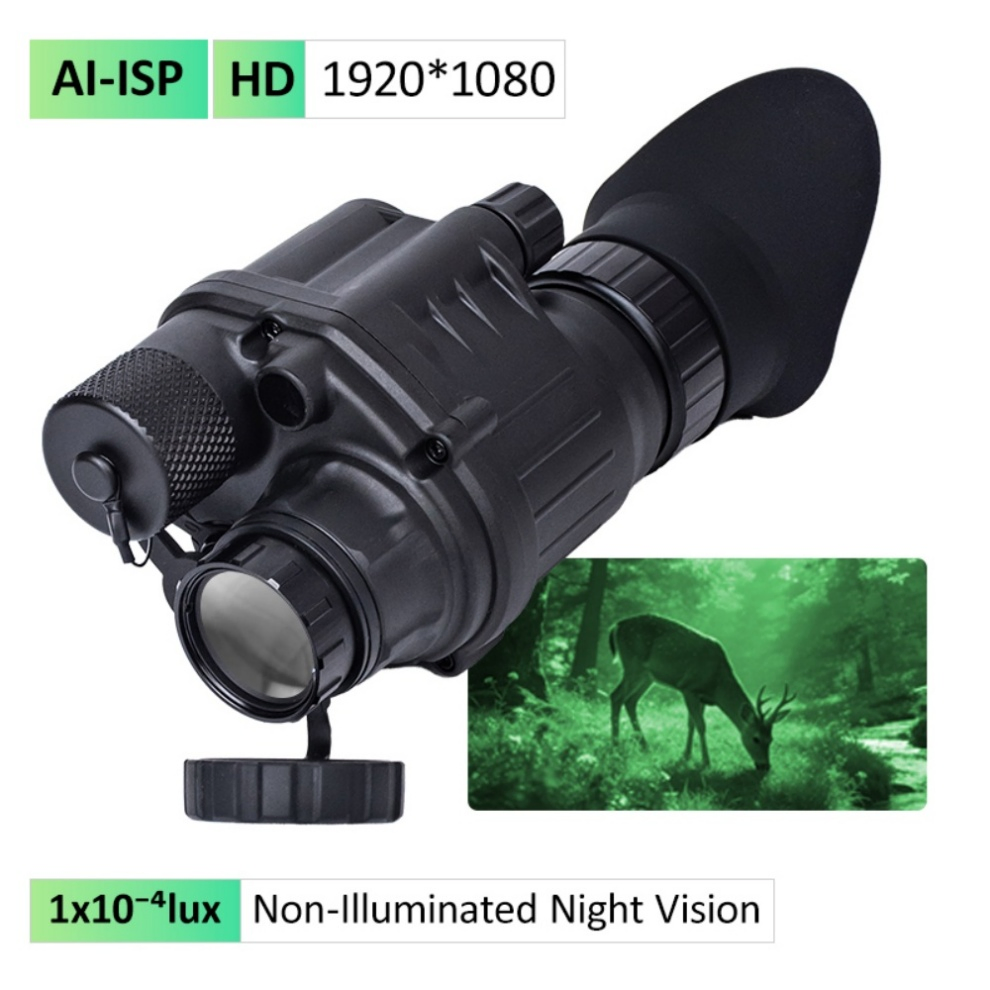
    Image Quality: AI full-color systems produce 1080p color images at light levels as low as 0.0001 Lux, while traditional Gen 2/3 tubes produce monochrome green images.

    Cost: AI full-color monoculars typically cost 60-80% less than Gen 3 image intensifier tubes, making them accessible to civilian users including farmers, wildlife observers, and security professionals.

    Durability: Digital sensors are inherently more resistant to bright light damage than photocathode tubes, eliminating the risk of tube burnout from accidental exposure.

    Best Use Cases

    AI-enhanced night vision excels in civilian applications: farm security, wildlife observation, perimeter monitoring, and search and rescue. For these scenarios, color information provides critical advantages over monochrome.

    Compare Keliway AI full-color monoculars →

  • Top 5 Night Vision Applications for Farm and Ranch Security

    Top 5 Night Vision Applications for Farm and Ranch Security

    Protecting livestock, crops, and equipment after dark is a growing concern for farmers worldwide. Night vision technology has become an essential tool for modern agricultural security.

    1. Livestock Protection

    Predators — from coyotes and wolves in North America to jackals in the Middle East — primarily hunt at night. AI-enhanced night vision lets farmers monitor herds and detect predator approaches at distances up to 500 meters.

    2. Theft Prevention

    Agricultural theft costs billions annually. Night vision enables early detection of trespassers and unauthorized vehicles entering farm perimeters.

    3. Irrigation Monitoring

    Night patrols to check irrigation systems, fencing, and water sources are safer and more effective with night vision. Color imaging helps identify water leaks and equipment damage quickly.

    4. Wildlife Management

    Understanding wildlife movement patterns on and around farmland helps farmers make informed decisions about fencing, deterrents, and habitat management.

    5. Equipment Security

    Expensive farm machinery left in fields overnight is vulnerable. Night vision enables quick visual sweeps of equipment storage areas.

    Learn more about Keliway farm security solutions →

  • Night Vision for Search and Rescue: A Field Guide for First Responders

    Night vision technology has evolved dramatically for civilian search and rescue operations. Modern AI full-color devices give rescue teams unprecedented capability to locate missing persons in complete darkness.

    Why Color Matters in SAR

    Traditional green-phosphor night vision makes it nearly impossible to distinguish between a person wearing blue jeans and dark earth. AI green-phosphor imaging reveals clothing colors, skin tones, and environmental hazards that could mean the difference between success and failure in a rescue operation.

    Key Features for SAR Teams

    • Extended range — 500-800m detection covers large search areas efficiently
    • All-weather operation — Fog, rain, and dust penetration for adverse conditions
    • Lightweight design — Under 500g for extended carry during search operations
    • Instant-on — 3-second boot time for rapid deployment
    • IP67 protection — Reliable operation in wet, dusty, or muddy environments

    Recommended Equipment

    For professional SAR operations, the KLW-W1 provides the best combination of range, weather resistance, and image quality. For volunteer teams on a budget, the KLW-C4 delivers excellent performance at a lower price point.

    All Keliway devices carry CE and EMC certification and qualify for institutional procurement programs. Request a quote for volume pricing.

  • AI-Enhanced Night Vision vs Traditional Night Vision: What Distributors Need to Know in 2026

    The night vision market is shifting fast. For decades, green-phosphor image intensifier tubes dominated the landscape. But a new category — AI-enhanced night vision — is rewriting the rules for civilian and commercial applications. If you’re a distributor evaluating products for farm security, perimeter defense, wildlife observation, or search and rescue, understanding this shift is critical.

    What Is AI-Enhanced Night Vision?

    Unlike traditional night vision devices that amplify ambient light into a monochrome green image, AI-enhanced night vision uses advanced CMOS sensors paired with on-device AI processing to reconstruct green-phosphor images in near-total darkness. The result: natural-looking color video at night, without the eye fatigue associated with legacy green-screen devices.

    Key Advantages for Commercial Users

    1. True Color Identification

    In security and law enforcement scenarios, color matters. Identifying a vehicle’s color, a person’s clothing, or animal species is dramatically easier with full-color output. Traditional night vision strips away this information entirely.

    2. Lower Cost of Ownership

    Gen 2 and Gen 3 image intensifier tubes are expensive, fragile, and export-restricted in many jurisdictions. AI full-color devices use digital sensors with significantly longer lifespans and no export control concerns for civilian-grade products.

    3. CE & EMC Certified for Global Distribution

    Products like the Keliway KLW-C2 and KLW-C4 carry CE and EMC certification, making them straightforward to distribute across Europe, the Middle East, and other regulated markets.

    4. AI-Enhanced Detail Recovery

    On-board neural network processing recovers detail in shadows, reduces noise, and enhances contrast — all in real time. This is not simple digital gain; it is computational imaging that adapts frame-by-frame to changing light conditions.

    Use Cases Driving Demand

    • Farm & Ranch Security: Livestock monitoring, predator detection, and property surveillance after dark.
    • Perimeter Defense: Critical infrastructure protection with color-accurate threat identification.
    • Wildlife Observation: Researchers and enthusiasts benefit from green-phosphor imaging without disturbing animals.
    • Search & Rescue: First responders can identify casualties and terrain features faster with color context.

    What Distributors Should Consider

    When evaluating AI-enhanced night vision products for your market, focus on:

    1. Certification: CE and EMC marks are essential for legal distribution in most regions.
    2. Sensor quality: Look for large-format CMOS sensors (1/1.8″ or larger) for best low-light performance.
    3. AI processing: On-device AI (not cloud-dependent) ensures real-time performance in the field.
    4. Durability: IP-rated housings and MIL-spec drop ratings matter for field deployment.
    5. After-sales support: OEM and warranty programs reduce your downstream risk.

    Ready to Explore the Opportunity?

    Keliway offers a complete lineup of CE-certified AI-enhanced night vision monoculars designed for civilian commercial markets. Whether you’re building a distribution network or looking for OEM partnership, we’re here to help.

    Request a Quote →   Become a Distributor →

  • Farm Security Night Vision: A Practical Buying Guide for Agricultural Operations

    Why Farms Need Dedicated Night Vision Equipment

    Livestock theft, crop damage from wildlife, and unauthorized trespassing cost agricultural operations millions annually. Traditional security cameras struggle in rural environments where lighting infrastructure is limited or nonexistent. AI-enhanced night vision monoculars offer a practical, portable solution that requires zero installation and works in complete darkness.

    Key Features That Matter for Farm Use

    1. Detection Range Over Magnification

    A 500-meter detection range lets you scan an entire pasture from a single vantage point. The KLW-C4 achieves this with its 4x optical zoom and AI-enhanced sensor, making it ideal for large-area farm patrols where early threat identification is critical.

    2. True Color Imaging at Night

    Unlike traditional green-phosphor night vision, AI full-color devices render natural colors even in total darkness. This means you can distinguish between a coyote and a stray dog, or identify the color of a vehicle approaching your property — critical details for making real-time decisions.

    3. Battery Life for Extended Patrols

    Farm security often means long nights. Look for devices with 8-10 hour battery life so you can complete a full overnight shift without recharging. The KLW-C4 offers 10 hours of continuous use on a single charge.

    4. Weather Resistance

    Agricultural environments mean dust, rain, and temperature extremes. IP-rated devices with all-weather sensors maintain performance in conditions that would degrade conventional optics.

    Recommended Setup for Different Farm Sizes

    Small farms (under 50 acres): A single KLW-C2 monocular provides 300m coverage for livestock checks and perimeter walks.

    Medium operations (50-500 acres): The KLW-C4 with 4x zoom and 500m range covers larger pastures. Pair with a vehicle mount for mobile patrols.

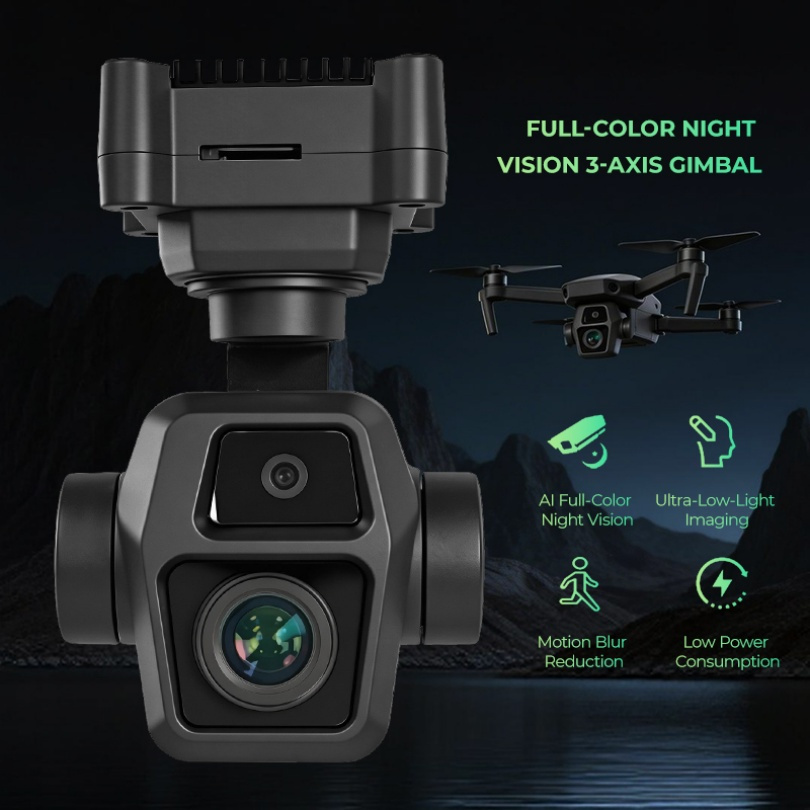
    Large ranches (500+ acres): The KLW-W1 gimbal system with 800m detection handles estate-scale monitoring. Its 3-axis stabilization makes it effective from moving vehicles or elevated positions.

    Getting Started

    Keliway devices are available through authorized distributors worldwide. All products are CE and EMC certified for civilian use. Request a quote or contact our team for a personalized recommendation based on your farm layout and security requirements.

  • How to Choose the Right Night Vision Device for Your Security Operation

    Choosing the right night vision device for your security operation is a critical decision. With multiple technologies available — from traditional image intensifier tubes to modern AI-powered full-color sensors — understanding the trade-offs can save you thousands of dollars and months of frustration.

    1. Detection Range Matters More Than Magnification

    Many buyers fixate on optical zoom without considering detection range. For perimeter security, a device that detects human-sized targets at 500–800 meters is far more valuable than one with high magnification but limited sensor sensitivity. The KLW-W1, for example, achieves 800m detection in all-weather conditions because of its advanced AI sensor — not zoom alone.

    2. Full-Color vs. Green Phosphor: Why Color Matters at Night

    Traditional night vision produces green-tinted images. AI-enhanced night vision, by contrast, renders scenes in natural color even at extremely low light levels (down to 0.0001 Lux). This makes target identification faster and reduces false alarms — a significant advantage for farm security and wildlife observation.

    3. Battery Life for Real Field Operations

    A device that dies after 3 hours is useless for overnight patrols. Look for devices with 8–10 hour continuous runtime. All three Keliway models (C2, C4, W1) are engineered for 8–10+ hours of continuous use, covering a full night shift without recharging.

    4. CE & EMC Certification: Non-Negotiable for Import

    If you are importing night vision devices into the EU or GCC markets, CE and EMC certification is mandatory. Uncertified devices can be seized at customs and may expose your business to legal liability. Always verify that your supplier provides valid CE Declarations of Conformity and EMC test reports.

    5. OEM/ODM Capability for Distributors

    If you plan to private-label or customize devices for your market, choose a manufacturer with proven OEM/ODM capability. This includes custom firmware, branding, packaging, and potentially hardware modifications. Keliway operates an ISO 9001-certified facility with 100,000+ unit annual capacity, supporting full OEM/ODM programs.

    Conclusion

    The best night vision device for your operation depends on your specific use case, environment, and regulatory requirements. Whether you need a compact monocular for wildlife observation or an all-weather long-range unit for perimeter defense, matching the right specs to your field conditions is what separates effective security from expensive shelf decorations.

  • All-Weather vs. Standard Color Night Vision: Which Is Right for Your Farm?

    All-weather vs color night vision comparison

    KELIWAY GUIDE · MAY 2026

    All-Weather vs. Color Night Vision: Which Is Right for Your Farm?

    A plain-English guide for farmers, wildlife observers, and security managers comparing two fundamentally different technologies — so you buy the right tool first time.

    Two technologies. One question: what are you actually trying to see?

    Night vision technology has split into two distinct paths: color digital night vision (like our KLW-C2 and KLW-C4) and all-weather AI-enhanced night vision (like our KLW-W1). Both work in darkness. Both connect to your phone. But they solve fundamentally different problems — and choosing the wrong one is an expensive mistake.

    This guide explains how each technology works, where it excels, and which real-world scenarios call for which solution. No jargon. Just the practical differences that matter to a buyer.

    How Color Night Vision Works

    Color digital night vision cameras use an extremely sensitive image sensor — the same type used in high-end security cameras — but engineered to capture usable images at light levels 1,000× lower than the human eye can process. At 0.0001 Lux (a moonless night), the sensor still produces a full-color, high-definition image.

    AI processing on the chip then enhances edges, reduces noise, and boosts color saturation in real time. The result looks like a slightly desaturated daytime photograph — not the green-tinted image old-school military image intensifiers produced.

    What you see: Color images of people, animals, and terrain — exactly like your eyes would see it, just amplified. You can read a vehicle number plate at 200 m. You can identify the species of animal at 300 m. You see what is there, not just that something is there.

    Color night vision example image - KLW-C2

    ↑ KLW-C2: Ultra-low-light 1080p image at 0.0001 Lux. You can identify subjects, not just detect them.

    How AI-Enhanced Night Vision Works

    KLW-W1 AI-enhanced night vision

    ↑ KLW-W1: Detects heat signatures at 800 m — in fog, rain, smoke, or complete darkness.

    All-Weather cameras detect heat energy (AI full-color radiation), not visible light. Every object with a temperature above absolute zero emits AI full-color radiation. A human body emits strongly. A warm engine emits strongly. A cold rock does not.

    The VOx (vanadium oxide) sensor in the KLW-W1 measures microscopic temperature differences across each pixel and maps them into a visual image — using color palettes like White Hot, Black Hot, Iron, or Rainbow to represent temperature gradients.

    What you see: Temperature silhouettes. You can instantly detect a person or large animal at 800 m even in dense fog where color night vision produces a blurred white wall. You cannot read a number plate. You cannot see colour detail. But you will detect any warm body, regardless of lighting or weather.

    Head-to-Head Comparison

    CapabilityColor Night Vision (C2 / C4)AI-Enhanced Night Vision (W1)
    Works in total darkness✅ Down to 0.0001 Lux✅ No light required
    Works in fog or rain⚠️ Limited — fog scatters light✅ Heat penetrates fog
    Works in smoke❌ Smoke blocks visible light✅ Smoke does not block IR
    Identify a person vs. animal✅ Full-color identification⚠️ Shape only, no colour detail
    Read a number plate✅ At 100–200 m❌ Not possible
    Detection rangeUp to 500 m (C4)Up to 800 m (W1)
    Battery life8–10 hours6 hours
    Best atIdentification & recordingDetection & perimeter alert

    Which Should You Choose?

    Choose color night vision (KLW-C2 or C4) if:

    • You need to identify individuals — species of animal, person’s appearance, vehicle plate
    • You want to record usable colour video footage for evidence or documentation
    • Your operating environment is clear — dry weather, no heavy fog
    • You need a longer battery runtime (8–10 hours uninterrupted)
    • Choose C4 over C2 if your property is large (over 200 acres) or you need 500 m range and 4× optical zoom

    Choose AI-enhanced night vision (KLW-W1) if:

    • You operate in fog, rain, smoke, or dusty environments where light-based imaging fails
    • Your primary goal is detection, not identification — “is something there?” rather than “what exactly is it?”
    • You need the longest detection range (800 m)
    • You monitor livestock in paddocks and need to quickly survey large areas
    • You are building a perimeter alert system where any warm body triggers a response

    The professional answer: use both

    Many serious farm security installations combine a all-weather unit on the perimeter for wide-area detection with a color night vision monocular for close-up identification once an alert is triggered. The W1 tells you something is at the fence line at 600 m. The C4 tells you it is a fox, not a trespasser, at 400 m. Together, they eliminate false alarms and provide prosecution-grade evidence when needed.

    A Note on Certifications

    All three Keliway products carry CE and EMC certification — the mandatory requirement for legal sale and import into EU member states and many Gulf Cooperation Council (GCC) markets. If you are a distributor or retailer in Europe or the Middle East, ensure any product you source has genuine, traceable CE documentation — not self-declared certificates. Keliway provides complete test reports and Declaration of Conformity documents with every wholesale order.

    Not sure which model fits your situation?

    Email info@keliway.com with a brief description of your property and use case. We’ll recommend the right solution within 1 business day — no sales pressure.